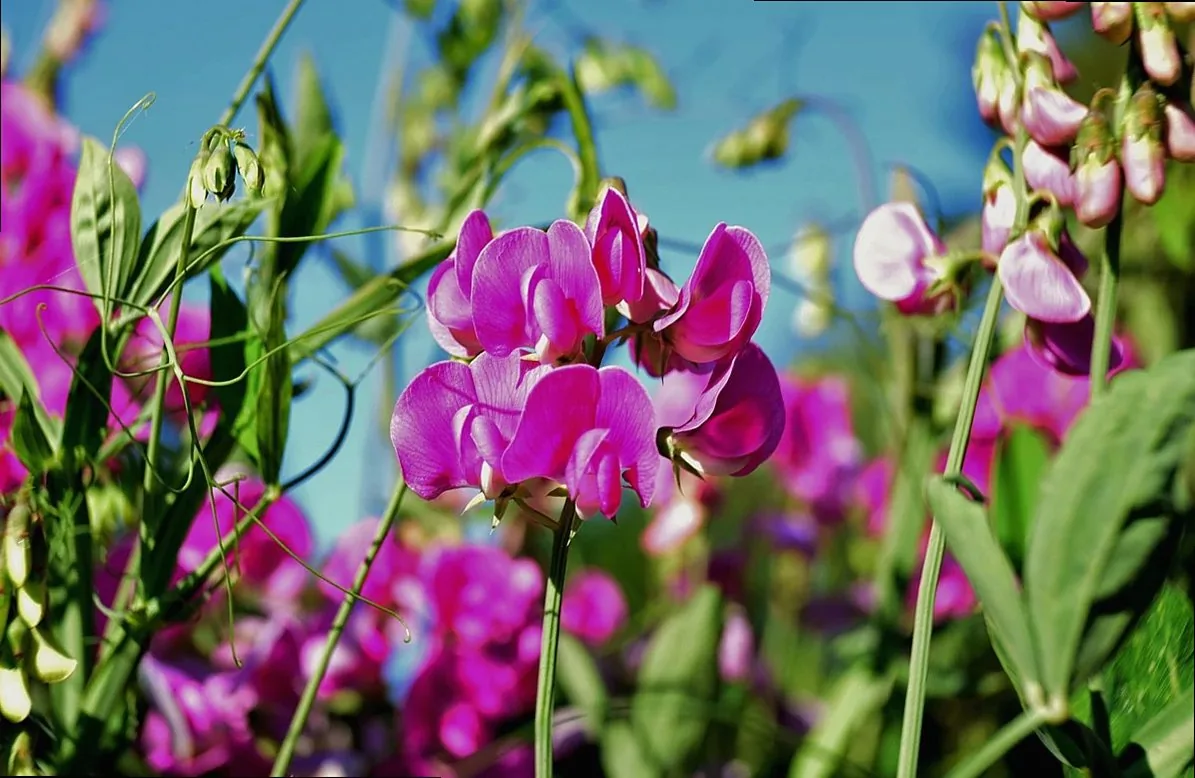
Summer sweet pea bunch
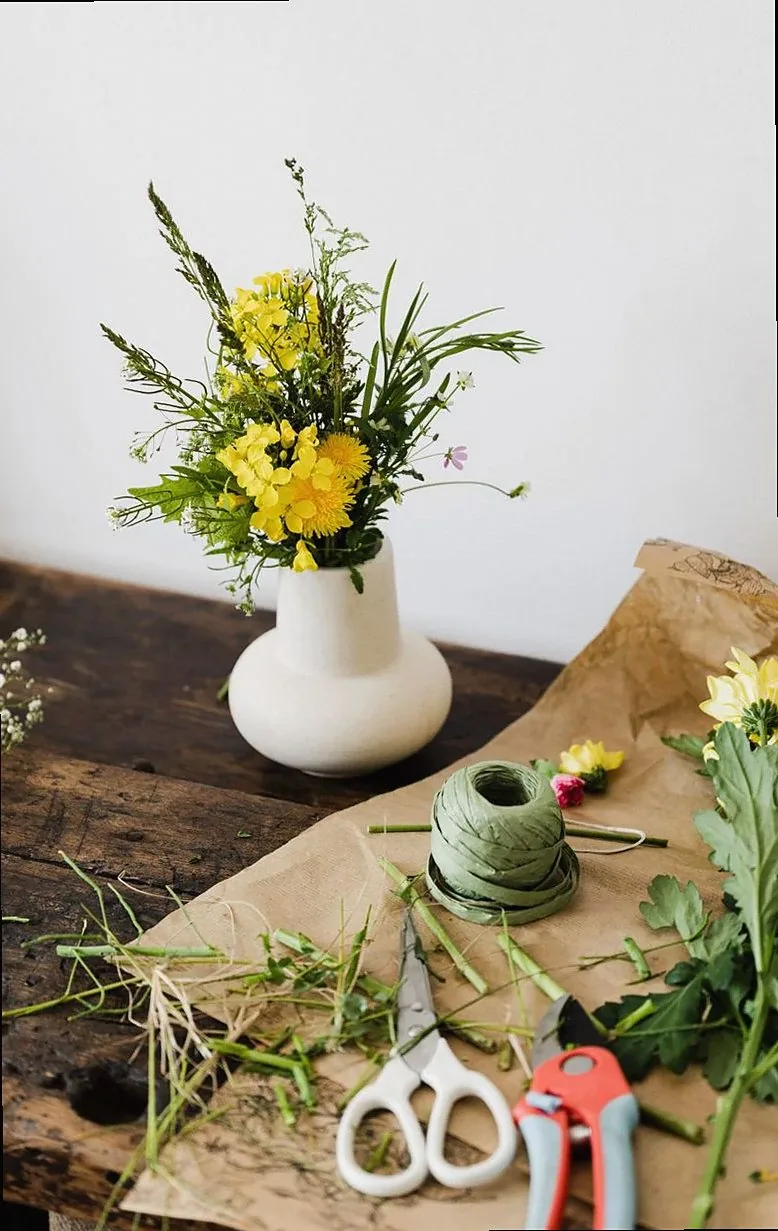
British-grown sweet peas in a mix of blush, lilac, and deep plum. Cut to order and wrapped in unbleached kraft. These last four to six days in a cool room with daily water changes. Available through August.
Future Tulip started in 2019 in a spare room, with a secondhand bucket, a borrowed knife, and a lot of sweet peas Laura Kearsley had grown herself that summer. She had been working in event production for six years and was tired of ordering flowers from a wholesaler catalogue and getting whatever arrived. She wanted to know what was actually in season, what had been grown where, and why certain stems lasted four days while others lasted ten. The studio began as a way to answer those questions for herself. The first paying orders came from neighbours, then from a supper club that needed table flowers, then from a wedding that a supper club guest was planning.
By 2021 the spare room wasn't working anymore. Laura moved into a small rented unit and started going to the regional flower auction three mornings a week instead of ordering online. That change is what made the studio what it is now. Seeing the stems in person, knowing which growers had brought what in, being able to smell whether the freesia was actually fresh, all of that changed how the arrangements looked. The work got looser and more specific at the same time. Clients started asking for 'whatever Laura thinks' rather than a colour brief, which is still the instruction she finds easiest to work with.

British-grown sweet peas in a mix of blush, lilac, and deep plum. Cut to order and wrapped in unbleached kraft. These last four to six days in a cool room with daily water changes. Available through August.

White and pale lavender lisianthus with silver-dollar eucalyptus, arranged in a secondhand glass carafe. The carafe is approximately 22cm tall. Lisianthus opens slowly over about a week, so the arrangement changes as it sits.

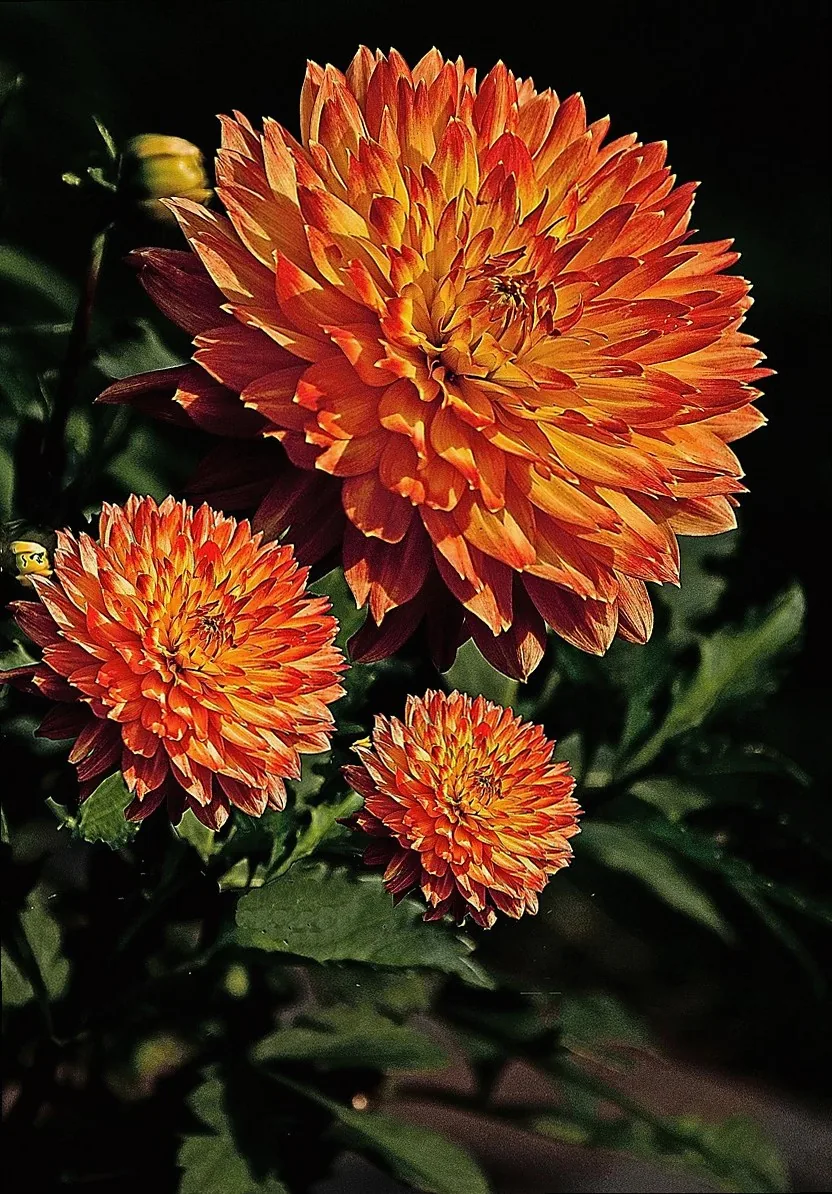
Dahlias sourced from a grower about 40 miles from the studio, in whatever colours came in that week. Stems are conditioned overnight before arrangement. Typically cafe-au-lait, coral, and burgundy tones in late summer.

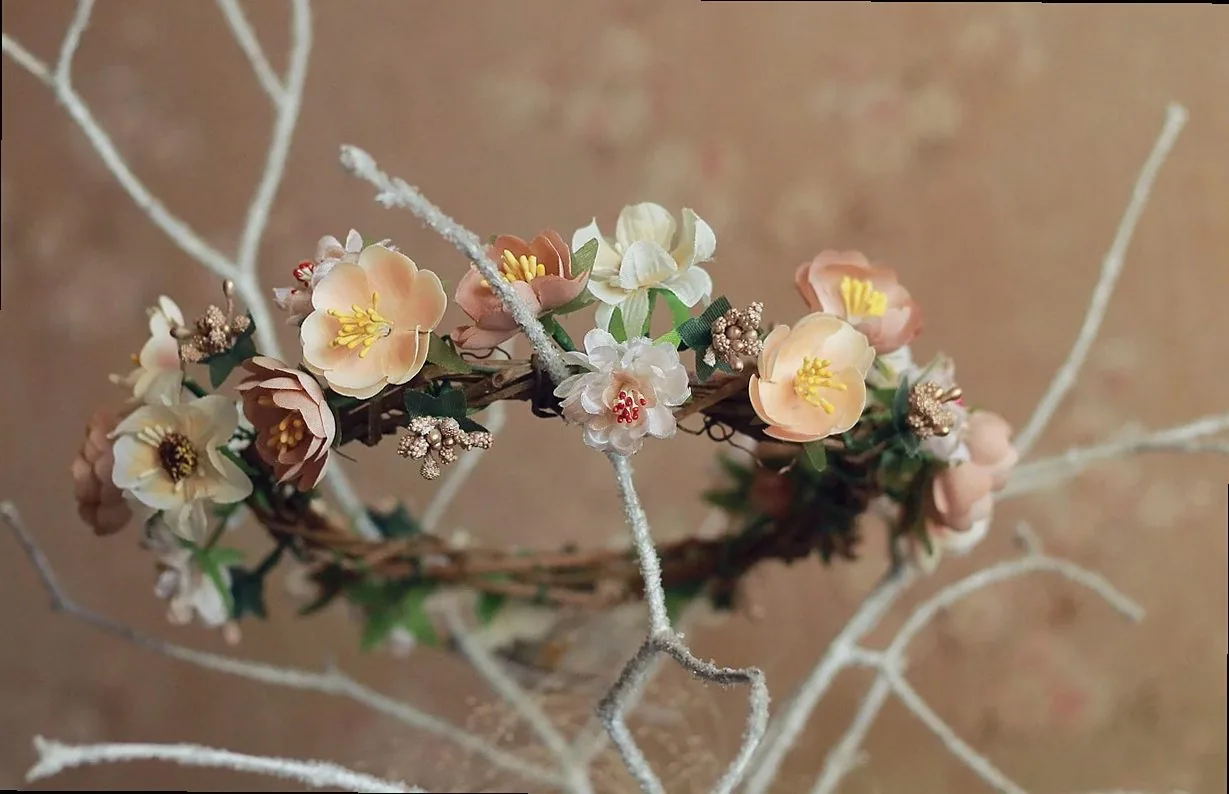
Strawflower, lagurus, and dried cornflower on a willow base. The palette this season runs from pale yellow through dusty rose. Each wreath is dried for three weeks in the studio before it ships.

A low, garden-style arrangement in a ceramic bowl, designed for dining tables. Typically 35-45cm across. Flowers chosen to complement the event palette discussed in consultation. Minimum order of four tables for this price.

A hand-tied of 25 seasonal stems delivered every other Thursday. Pause anytime before Wednesday. Billed per delivery, no upfront commitment.
The dahlia season hit properly in the first week of August. Laura has been buying from the same grower for three years now, and this year the cafe-au-lait variety came in earlier than expected, which meant a run of arrangements in that warm biscuit tone that people either love immediately or take a moment to come around to.
July and August bring a steady run of garden party enquiries. Most people ask for something tall and dramatic, which is understandable, but outdoor tables in summer have a specific problem: wind. A tall arrangement in a light vessel on a linen tablecloth in a breeze is a liability.
The June workshops filled up faster than usual, partly because Laura posted the dates on a Wednesday evening and by Thursday morning five of the eight places were gone. The sessions have been running since spring 2023 and the format hasn't changed much, which seems to be working.
Laura visits the regional flower auction on Monday, Wednesday, and Friday mornings. What's available that day shapes what goes into your order, which is why the arrangements look like flowers and not like a catalogue.
The studio doesn't stock imported roses year-round. In summer you get sweet peas, lisianthus, and garden dahlias. In winter, ranunculus, hellebore, and dried grasses. The season is the brief.
Every arrangement is built after the order comes in. Nothing sits in a bucket waiting for a buyer. Lead time is usually 48 hours, sometimes less if the timing works.
A dried flower arrangement, looked after properly, can last two to three years before it starts to look genuinely tired. Most dried flowers that fade or fall apart early do so because of humidity, direct sunlight, or being handled too much. None of those are difficult to avoid once you know what to watch for.
Read more →Most cut flowers die early because of two things: bacteria in the water and air in the stems. Both are preventable. Conditioning is the process of dealing with both before the flowers go into a vase, and it takes about ten minutes. The difference in vase life between conditioned and unconditioned stems is usually four to six days, sometimes more.
Read more →The word 'seasonal' gets used loosely in floristry. It sometimes means 'what we happen to have this week' and sometimes means 'grown in this country at this time of year'. This is about the second kind: flowers that are actually growing in British fields and gardens in June, July, and August, and what that means for how they look and how long they last.
Read more →