How to condition cut flowers so they actually last
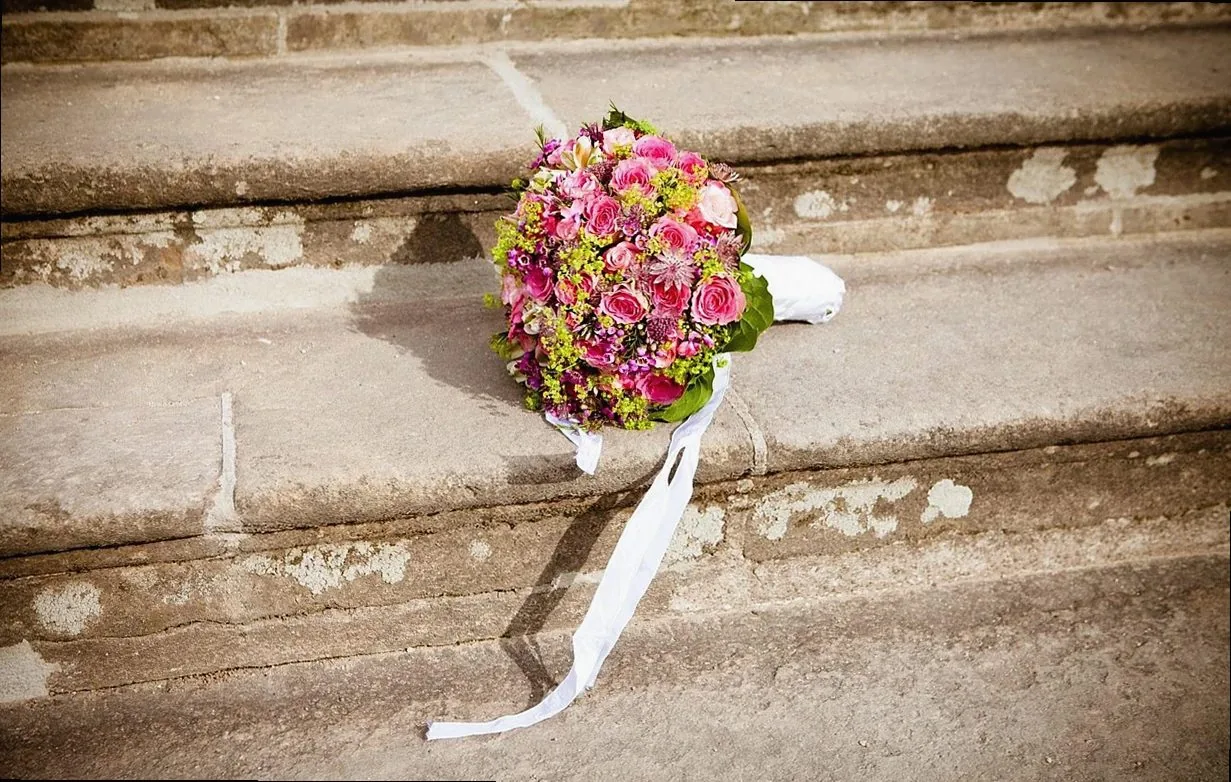
Most cut flowers die early because of two things: bacteria in the water and air in the stems. Both are preventable. Conditioning is the process of dealing with both before the flowers go into a vase, and it takes about ten minutes. The difference in vase life between conditioned and unconditioned stems is usually four to six days, sometimes more.
What conditioning actually means
Conditioning means giving freshly cut stems time to take up water in a controlled way before they go into an arrangement or a display vase. When stems are cut, they seal themselves with a small air bubble at the base. If you put them straight into a vase, that bubble blocks water uptake and the flower starts to wilt from the top down, even though there's water right there.
The fix is a fresh cut at a 45-degree angle, made under water or immediately before the stem goes into water, so the air bubble doesn't reform. Then the stems go into a clean bucket of cool water, in a cool room, for at least two hours. Overnight is better.
The bucket and the water
The bucket matters more than people think. Any residue from a previous batch of flowers will introduce bacteria into the new water, and bacteria is what clouds the water and blocks the stem ends. Wash the bucket with hot water and a small amount of bleach, rinse it thoroughly, and fill it with cool water. Not cold, not warm. Cool.
Some florists add flower food to the conditioning water. Laura uses it occasionally but doesn't think it's essential if the water is clean and the stems are cut correctly. The commercial flower food sachets that come with supermarket flowers are mostly citric acid and a small amount of bleach, which you can approximate with a squeeze of lemon juice and a drop of household bleach in a litre of water.
Which stems need extra attention
Hollow-stemmed flowers like dahlias and delphiniums benefit from being turned upside down, filled with water through the stem, and plugged with a small piece of cotton wool before conditioning. It sounds fussy but it genuinely extends their life by two or three days.
Woody stems, like lilac or viburnum, need the bottom few centimetres split or scraped with a knife to increase the surface area for water uptake. Roses benefit from having their lower leaves removed before conditioning, because leaves sitting in water rot quickly and introduce bacteria.
Tulips are a special case. They continue to grow after cutting and will bend toward light. Condition them wrapped tightly in paper, standing straight in a bucket, to keep them upright. They'll relax into a natural curve once they're in the vase.
If you want to see conditioning done in person, the studio workshop covers it in the first twenty minutes. It's one of those things that's much easier to understand when you're holding the stems.