About
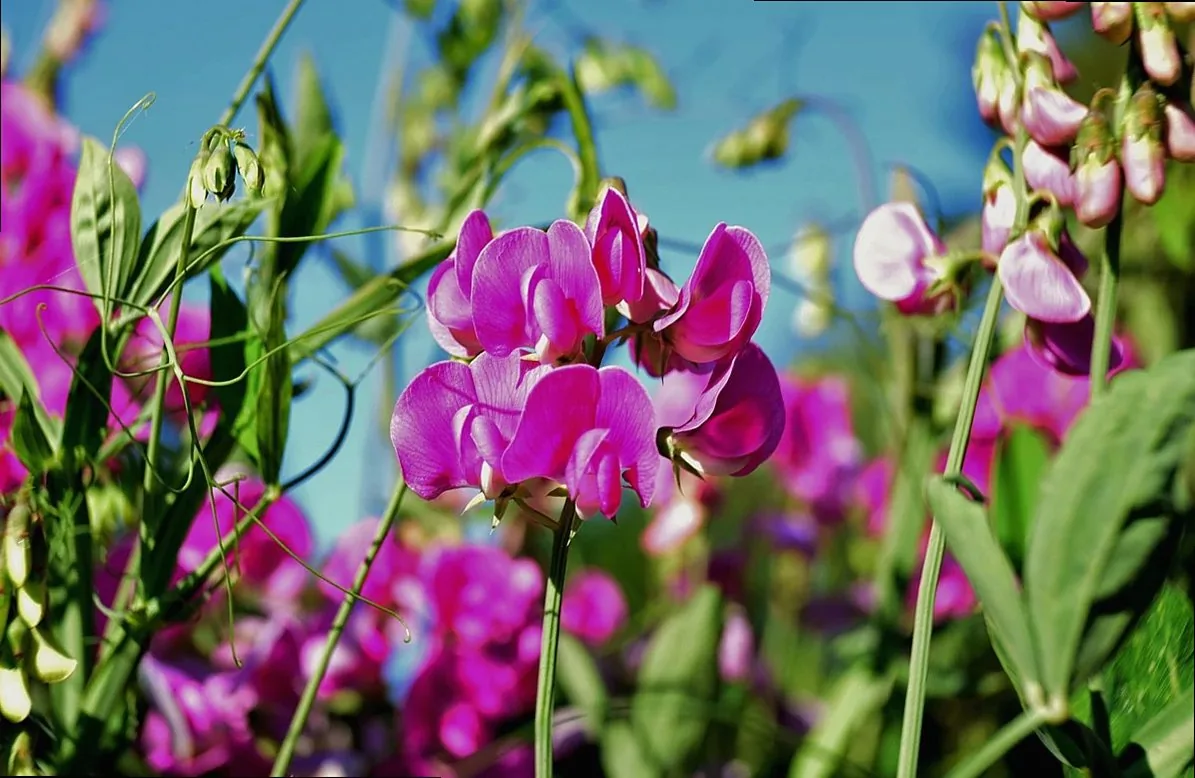
Future Tulip started in 2019 in a spare room, with a secondhand bucket, a borrowed knife, and a lot of sweet peas Laura Kearsley had grown herself that summer. She had been working in event production for six years and was tired of ordering flowers from a wholesaler catalogue and getting whatever arrived. She wanted to know what was actually in season, what had been grown where, and why certain stems lasted four days while others lasted ten. The studio began as a way to answer those questions for herself. The first paying orders came from neighbours, then from a supper club that needed table flowers, then from a wedding that a supper club guest was planning.
By 2021 the spare room wasn't working anymore. Laura moved into a small rented unit and started going to the regional flower auction three mornings a week instead of ordering online. That change is what made the studio what it is now. Seeing the stems in person, knowing which growers had brought what in, being able to smell whether the freesia was actually fresh, all of that changed how the arrangements looked. The work got looser and more specific at the same time. Clients started asking for 'whatever Laura thinks' rather than a colour brief, which is still the instruction she finds easiest to work with.
Laura Kearsley spent six years working in event production before she started growing dahlias in her back garden and couldn't stop. She trained under a Dutch-trained florist at a wholesale market studio, then spent two seasons assisting on editorial shoots for interiors magazines. In 2019 she opened Future Tulip as a one-person studio, working out of a small unit she still rents by the week. She sources from a regional flower auction three mornings a week and supplements with seasonal British-grown stems from growers she has visited in person. Outside the studio she runs a monthly foraging walk and keeps a notebook of every variety she has ever worked with, currently at 340 entries.